How Los Angeles Businesses Can Build a Strong SEO Framework
Key Takeaways
- Los Angeles SEO requires a solid framework built on neighborhood insights.
- Keyword groups make it easier to reach local searchers in specific areas.
- A clean structure and fast pages improve visibility and user trust.
- Local intent content strengthens connections with nearby customers.
- A complete Google Business Profile boosts map visibility and conversions.
Why LA Businesses Need Solid SEO Foundations
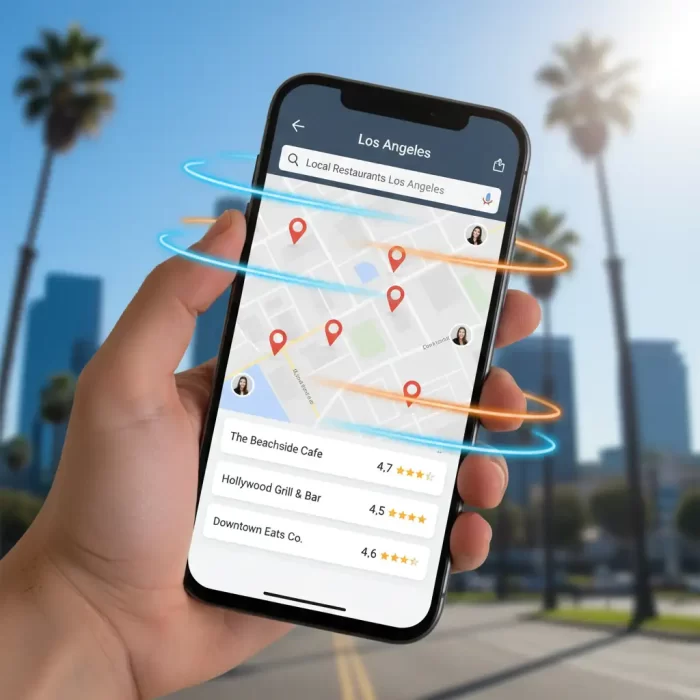
Living in Los Angeles means dealing with endless options. You need tacos? There are 50 spots within three miles. The same goes for dentists, yoga studios, mechanics—you name it. When someone’s searching for what you offer, you’re competing against hundreds of others doing the exact same thing.
Here’s the thing about LA: people want answers fast, and they want them local. Nobody’s driving from Pasadena to Venice for a haircut unless there’s a seriously good reason. That’s where having your SEO house in order actually matters. Whether you’re paying an agency or figuring this out yourself, skipping the basics will catch up with you eventually.
How People Actually Search in LA
The way Angelenos search is pretty specific. Distance matters because traffic is always a nightmare. Someone in Silver Lake isn’t typing “Los Angeles coffee shop”—they’re searching “coffee shop Silver Lake” or maybe “coffee near Sunset Junction.” They might even throw in cross streets if they know the area well.
Most of these searches happen on phones. People are walking around, stuck on the Metro, or killing time between meetings. Your site needs to load immediately and get to the point fast. Nobody’s scrolling through three paragraphs of fluff when they just need to know if you’re open.
Breaking Down Keywords by Neighborhood
You can’t treat LA like one big target. It’s too spread out, too diverse. What works in Manhattan Beach won’t work in Highland Park. You’ve got to break things down into smaller chunks that actually reflect how people think about the city.
Let’s say you run a café in Venice. Your keyword groups might look like:
- “Venice coffee shop”
- “breakfast near Abbot Kinney”
- “Mar Vista café”
Or if you’re a plumber covering the Valley:
- “emergency plumber Sherman Oaks”
- “drain cleaning Studio City”
- “24-hour plumber Encino”
Organizing keywords this way isn’t just neat—it actually helps you write content that sounds real instead of stuffed with random phrases.
Keep Your Site Structure Simple
Nobody wants to click through five pages to find your phone number. Your site should make sense at first glance. Clear menus, obvious categories, URLs that tell people where they are.
If you serve multiple neighborhoods, give each one its own page. Don’t just slap everything under “Service Areas” and call it done. When someone searches for help in Culver City, they should land on a page that’s actually about Culver City.
A clean structure does a few things:
- Makes it easier for Google to figure out what you do
- Keeps people from bouncing immediately
- Backs up all those neighborhood keywords you’re targeting
Write Like You’re Talking to Neighbors
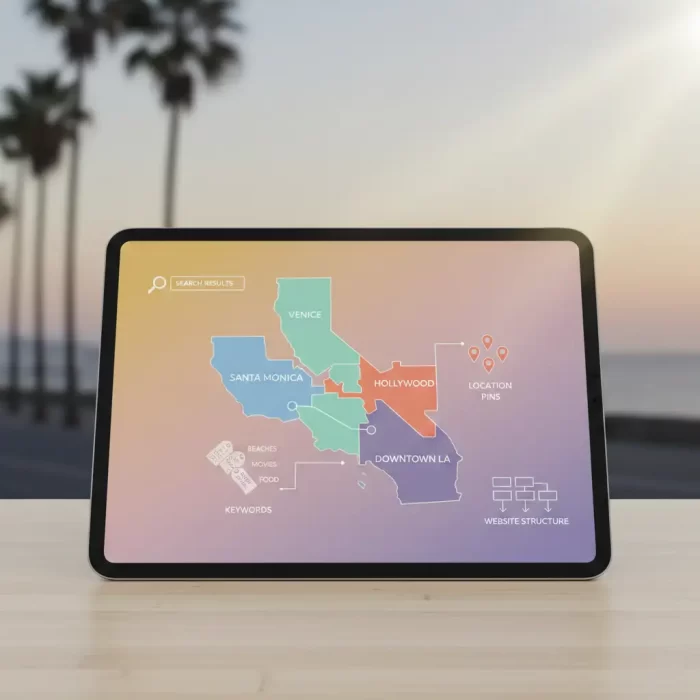
Generic content doesn’t cut it here. Someone looking for a personal trainer in Santa Monica has different priorities than someone searching in Downtown LA. Beach towns care about outdoor options. Urban areas want convenience and speed.
Say you’re a fitness studio near the beach—write about running trails along the coast, outdoor workout spots, and dealing with sand in your shoes. If you’re a lawyer downtown, talk about fitting consultations into lunch breaks or dealing with parking near your office.
When your content actually reflects life in these neighborhoods, people notice. It feels real because it is real.
Speed Matters More Than You Think
Slow websites are dead websites in LA. People are impatient, always moving, usually multitasking. If your page takes more than a couple of seconds to load, they’re gone.
Quick fixes that actually work:
- Shrink your images (there are free tools for this)
- Cut out unnecessary plugins and scripts.
- Find decent hosting that doesn’t cost a fortune.
- Stop overdesigning everything
A fast site just feels better. People trust it more. Google likes it more. You get more customers.
Link Your Pages Together Thoughtfully
Internal links are basically signs pointing people where to go next. They help users find related info and show Google how your content connects.
If you’ve got a service page for Venice, link to nearby areas like Santa Monica or Marina del Rey. Connect blog posts back to your main service pages. Make it easy for someone to wander through your site without getting lost.
Done right, this keeps people around longer and helps search engines understand what you’re all about.
Actually Use Your Google Business Profile
Your Google Business Profile shows up before your website does in a lot of searches. If it’s incomplete or outdated, you’re basically invisible to half your potential customers.
What you need to do:
- Upload real photos (not stock images)
- Keep your hours updated, especially around holidays.
- Fill out every section they give you.
- Ask happy customers for reviews.
- Answer questions when people post them.
- Pick the right business categories.
A solid profile gets you into that map pack at the top of search results. That’s where the local traffic lives.
Track What’s Working Without Drowning in Data
You don’t need some elaborate analytics setup with fifteen different tools. Google Analytics and Search Console will tell you most of what matters.

Watch for:
- Which pages get the most visits
- What keywords are bringing people in
- Where you’re losing visibility
- How people move through your site
Check this stuff monthly, spot the patterns, make small adjustments. SEO isn’t about huge, dramatic changes—it’s about consistent tweaking over time.
Building a Solid SEO Framework
Building solid SEO in LA isn’t rocket science, but it does take actual effort. You need to understand how locals search, organize your content by neighborhood, keep your site fast and clean, and show up consistently in the right places.
Whether you hire an SEO agency in Los Angeles or do it yourself, the fundamentals don’t change. Put in the work up front, stay consistent, and you’ll build something that keeps bringing in customers long-term. That’s the whole point.
FAQs
How long does the SEO process take to work?
It often takes a few months to see early improvements and steady progress with continued effort.
Should each neighborhood get its own page?
Yes. Separate location pages match local intent and help with visibility.
How often should a business update its Google Business Profile?
Check it weekly to keep it accurate and active. Keep it compatible with Google’s guidelines for Google Business Profiles.
Why is site speed important for local SEO?
Many people search on mobile devices and expect quick loading times. Better site load times mean a better user experience.
Can small businesses compete with larger ones?
Yes. Clear local targeting helps smaller businesses gain strong visibility.
Read More on SEO Services
Categorised in: Local SEO, Los Angeles, SEO Services